

 View larger
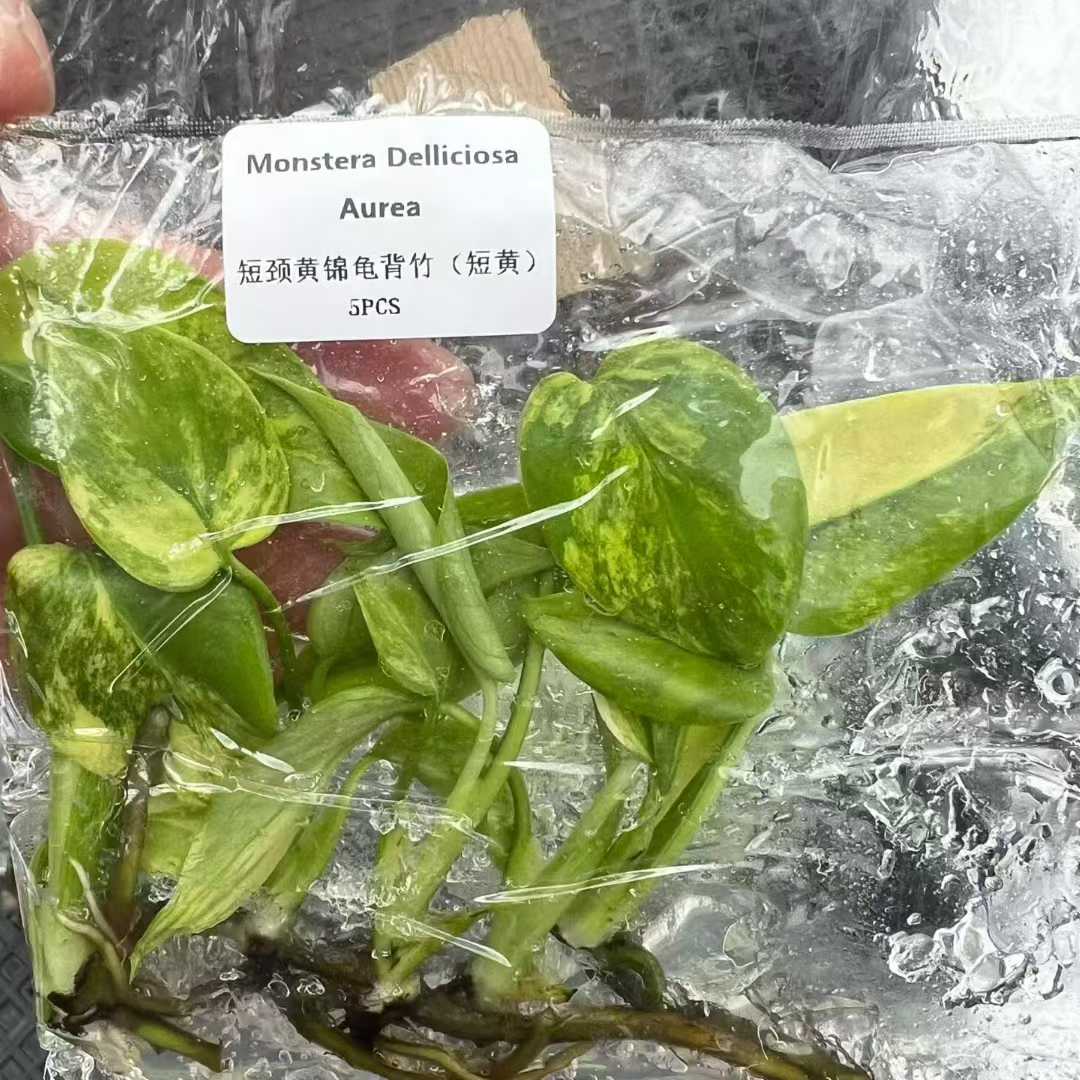
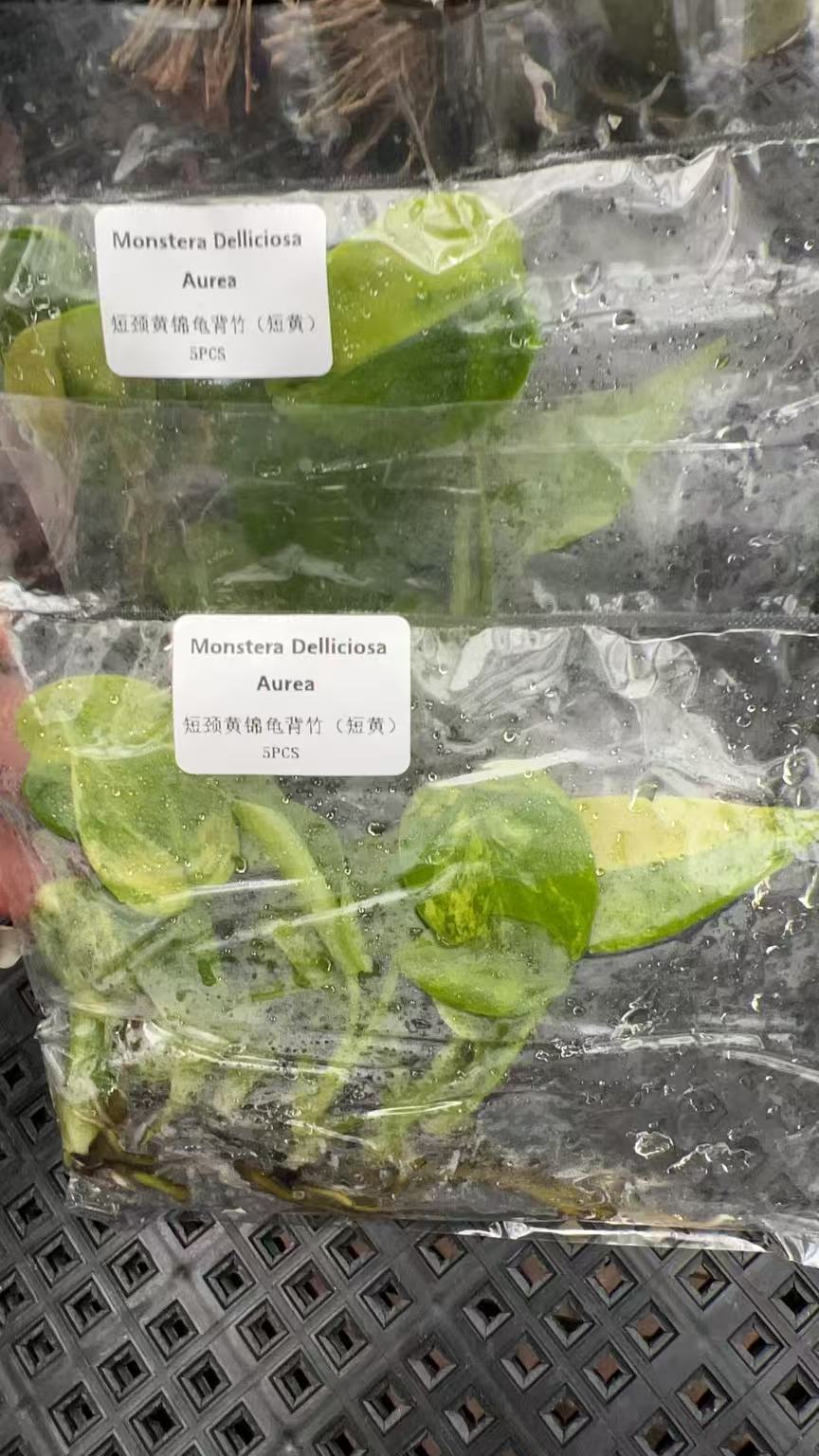
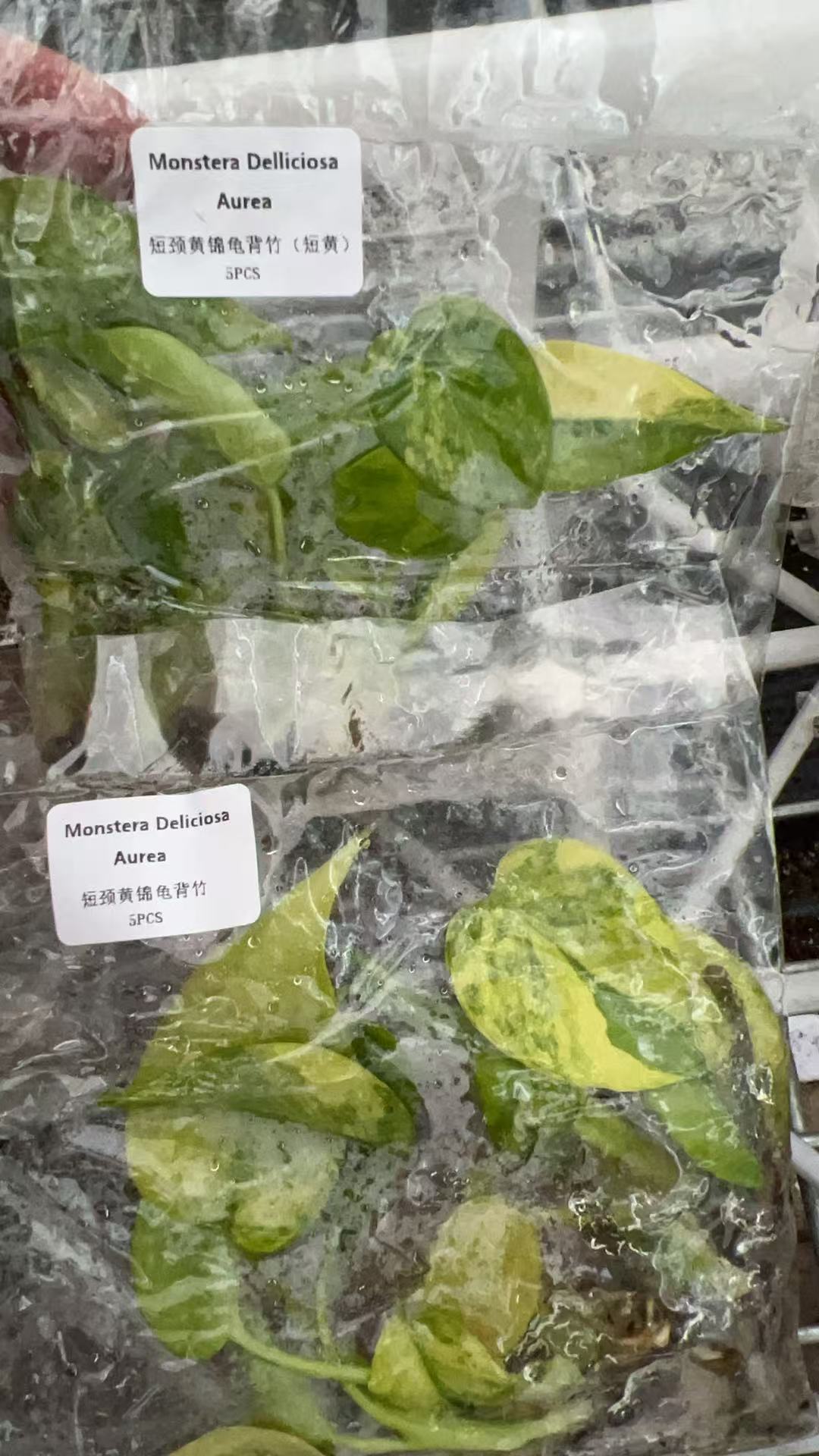
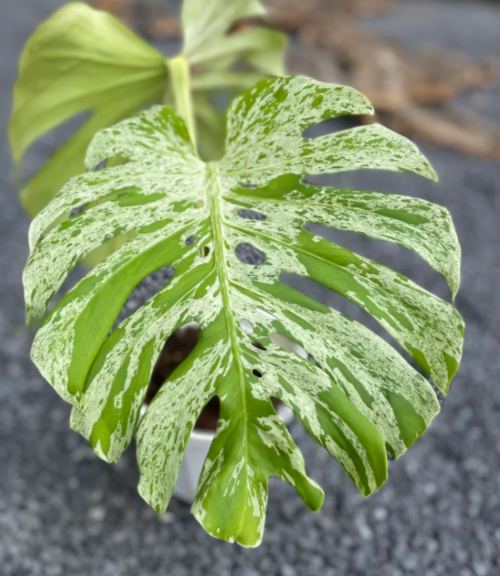
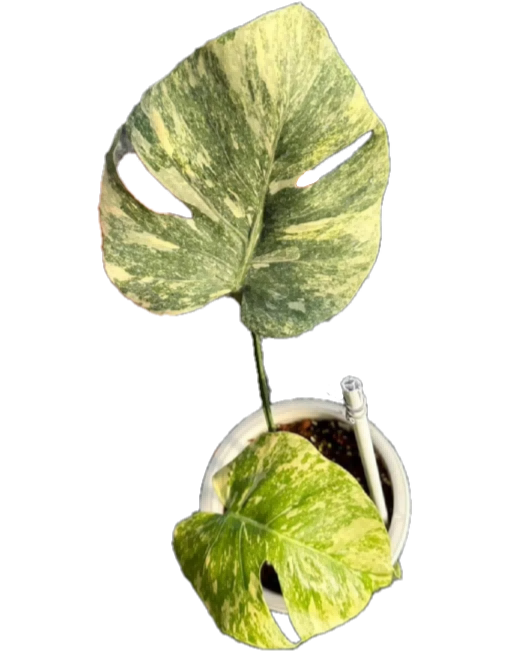
Monstera deliciosa Aurea Variegated Rare Aroid - Stable Yellow Variegation TC Baby Plant 3-5cm
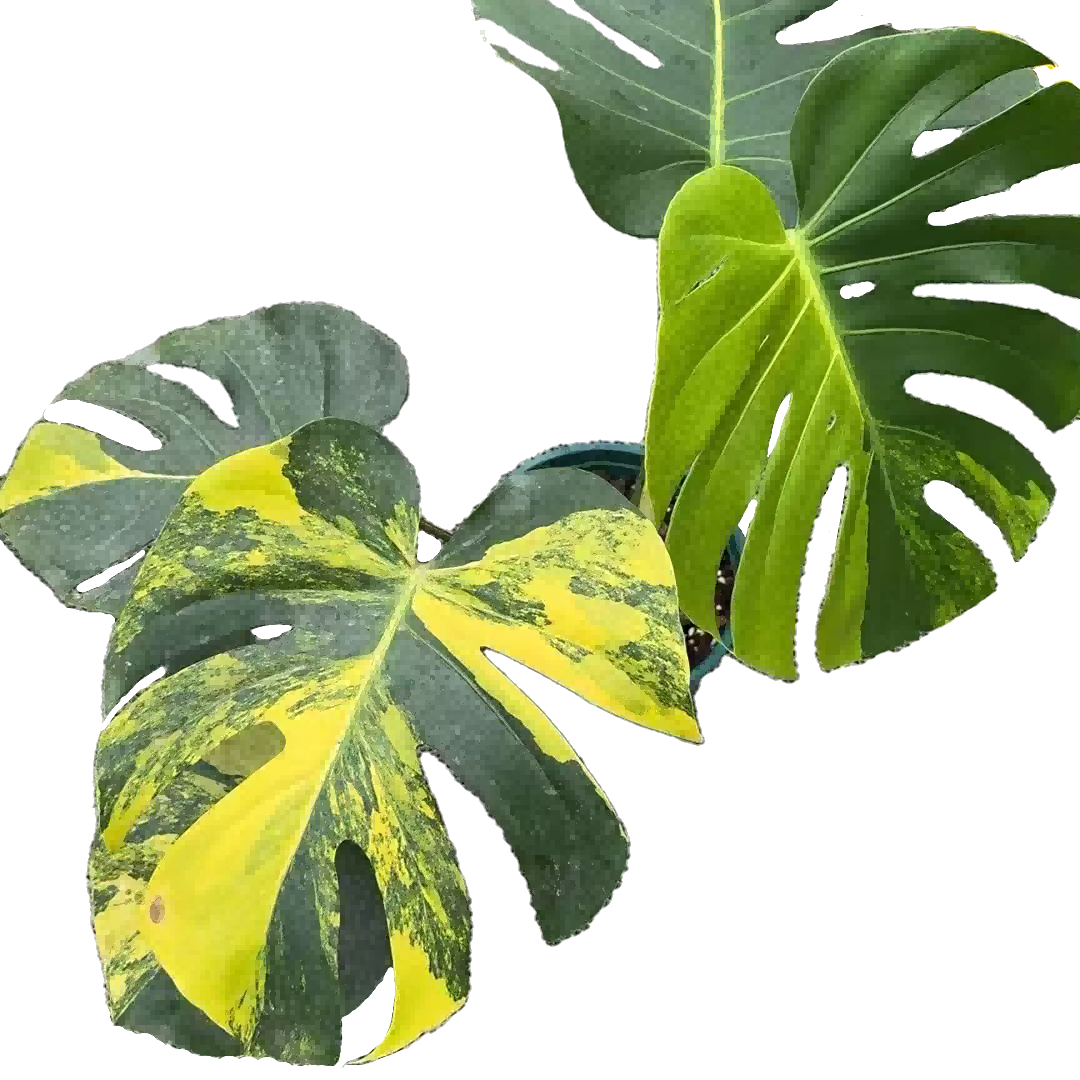
Monstera deliciosa Aurea Variegated is a highly coveted golden variegated cultivar prized for its stunning chartreuse to golden-yellow marbling against deep green foliage. Unlike common white variegated Monsteras, this aurea form offers warm, sunlit tones that create a luminous display in any collection.
Specification:
TC single
Growth Form:
Climbing / Root Climber (Short Form)
Family Name:
Araceae
Mature Foliage Color(s) & Shape:
Golden-yellow to chartreuse variegation over deep green background / thicker, heart-shaped rounder leaves
Preferred Climate:
Tropical (Warm, Humid)
Propegation:
Tissue Culture (TC)
Transportation:
Express / Air
- Description
- FAQs
Monstera Aurea Variegated
The yellow variegation of Aurea is notably temperature-sensitive, with warmer conditions typically promoting richer golden tones. Each leaf is completely unique, with variegation ranging from fine speckles and mottling to bold sectoral patches. The yellow sectors contain chlorophyll, allowing the plant to maintain better vigor than many white-variegated counterparts while still delivering stunning visual impact.
Acclimation & Care Guide for TC Baby Plants:
Light:
Bright, indirect light is essential to maintain the distinctive yellow variegation. Aurea varieties need more light than standard Monsteras to preserve their golden tones, but direct afternoon sun must be strictly avoided as it will scorch the delicate leaves. Ideal light levels: 3000-10000 Lux. Insufficient light will cause reduced variegation and leaf stretching.
Soil:
Requires a premium, chunky, well-draining aroid mix—combine orchid bark, perlite, charcoal, and coco coir or peat moss. Excellent drainage is vital to prevent root rot, particularly for young tissue culture specimens. In humid climates, increase perlite/bark ratio.
Watering:
Adopt the "soak and dry" method—water thoroughly once the top 3-5cm of soil has dried out completely. Avoid overwatering, as excessive moisture can lead to root rot. Yellow variegated plants generally prefer slightly drier conditions than all-green varieties.
Humidity:
Requires high humidity during initial acclimation—ideally 80%+ for the first 2-4 weeks. Once established, 50-70% is ideal. Low humidity can lead to leaf margin browning and reduced vigor in young plants.
Temperature:
Maintain stable temperatures between 18-27°C (65-80°F) for optimal growth. Protect from cold drafts and never expose to temperatures below 15°C (60°F). Growth slows significantly below 18°C.
Fertilizer:
Feed monthly during spring and summer with a balanced liquid fertilizer diluted to half strength. Avoid over-fertilizing, which can reduce variegation intensity and cause leaf burn. Reduce or stop feeding in fall and winter.
TC Plant Acclimation Protocol:
Clean-Up: Upon arrival, carefully wash off all agar medium from roots using sterile lukewarm water. Agar is sugar-rich and can promote mold growth if left on roots.
Hardening Off: Plant in a sterile, airy mix (fine moss and perlite works well). Use a humidity dome or clear plastic enclosure to recreate flask conditions while slowly introducing airflow over 2-4 weeks.
Gradual Introduction:
- Week 1-2: Keep dome completely sealed, providing bright indirect light
- Week 3: Begin opening vents or cracking lid for 1-2 hours daily
- Week 4: Increase open time gradually; remove lid entirely if leaves aren't wilting
- Tips: Consider fungicide dip before planting to prevent damping off. Be patient, TC plants focus on root establishment first. Wait for first post-flask leaf before applying any fertilizer.
Shipping & Handling:
We specialize in safe, compliant transport of delicate live plants. Your TC baby plants will be shipped via Express Air Shipping with professional insulation and protective packaging to ensure arrival in perfect, healthy condition.
Packaging:
Tissue culture plants are packed in sterile aseptic bags within insulated foam boxes to maintain stable temperatures during transit.
Available Documentation:
- Phytosanitary Certificate
- Packing List & Commercial Invoice
- Customs clearance support

_20250409185601A015.jpg)