
How to Select the Right Plants for Your Market: A Strategic Guide for Wholesale Buyers
Author: Min Hui Plants 〡 Apr 23, 2026 〡 1696
1696Main Article – English (Buyer Strategy Focus)
In global plant sourcing, selecting the right product is just as important as choosing the right supplier. Successful buyers do not rely on trends alone—they build structured plant portfolios based on market behavior, logistics efficiency, and long-term sales performance.
1. Understand Your Target Market
Different regions have different preferences. Large decorative plants perform well in North America, while compact and refined plants are more suitable for Japan and Europe. Understanding your customer base is the first step in building a successful product mix.
2. Balance Fast-Moving and Stable Products
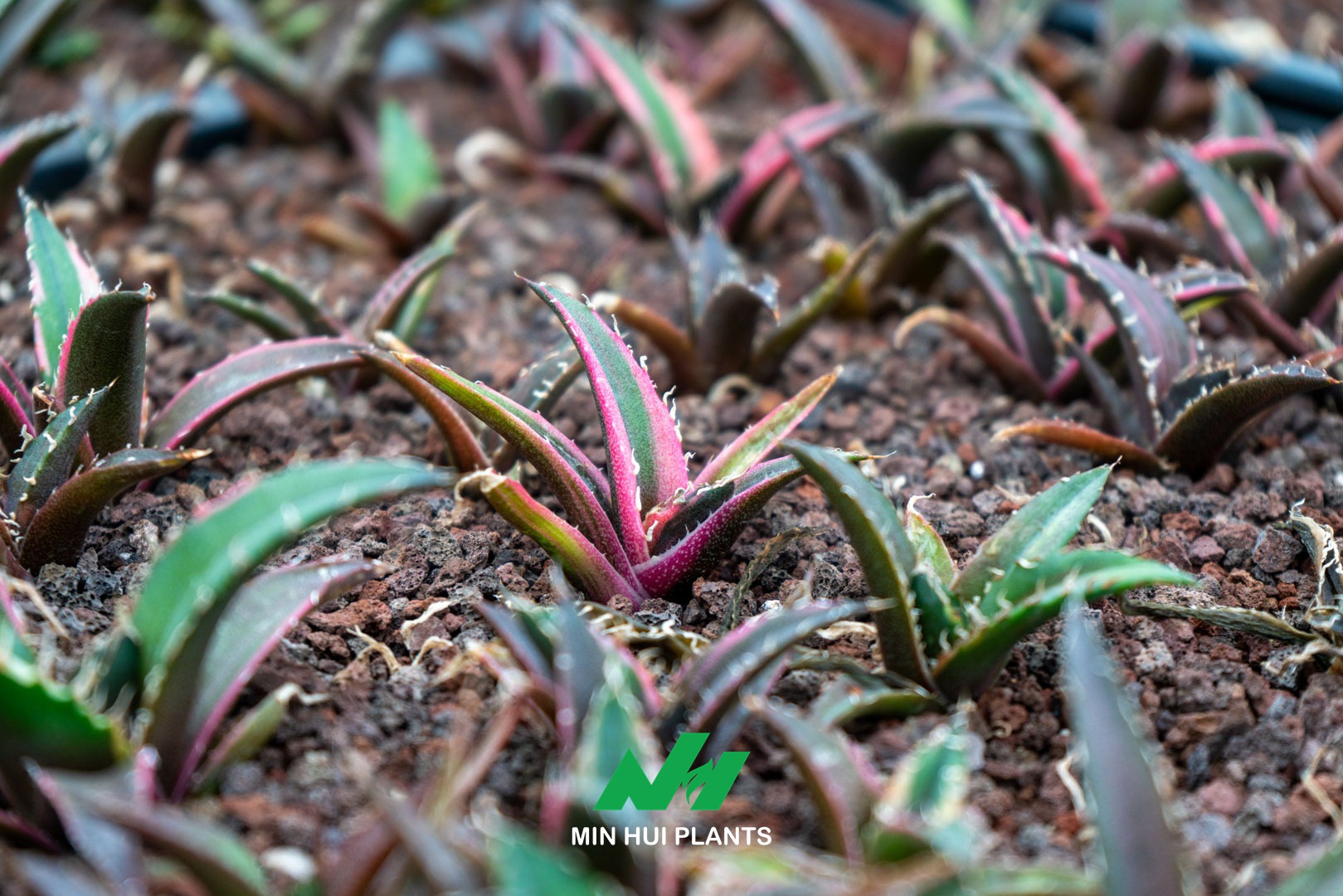
A well-structured plant portfolio includes both fast-selling varieties and long-term stable products. Trend-driven plants can generate quick sales, while classic species such as Sansevieria or Agave provide consistent demand.
3. Consider Logistics and Survival Rate
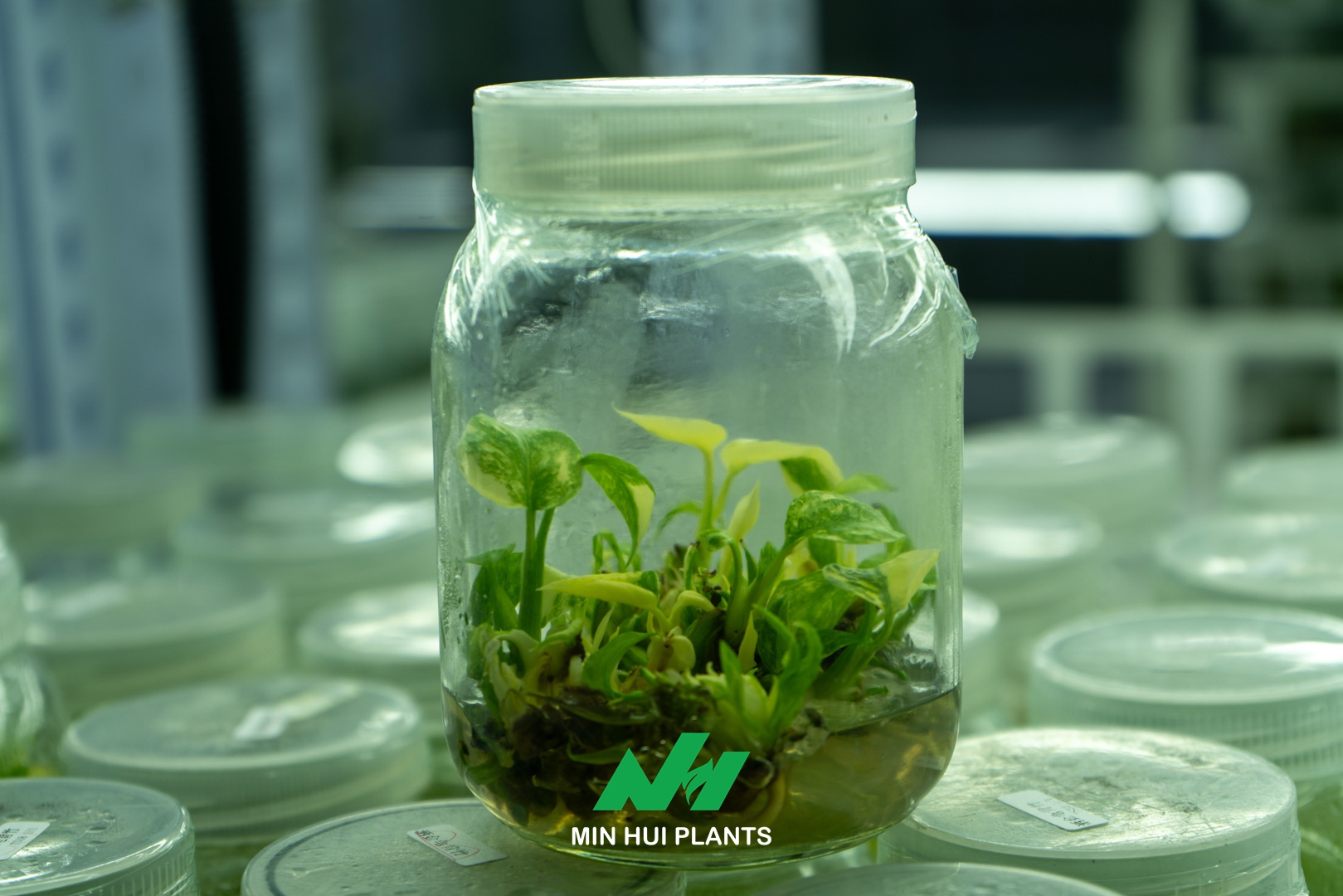
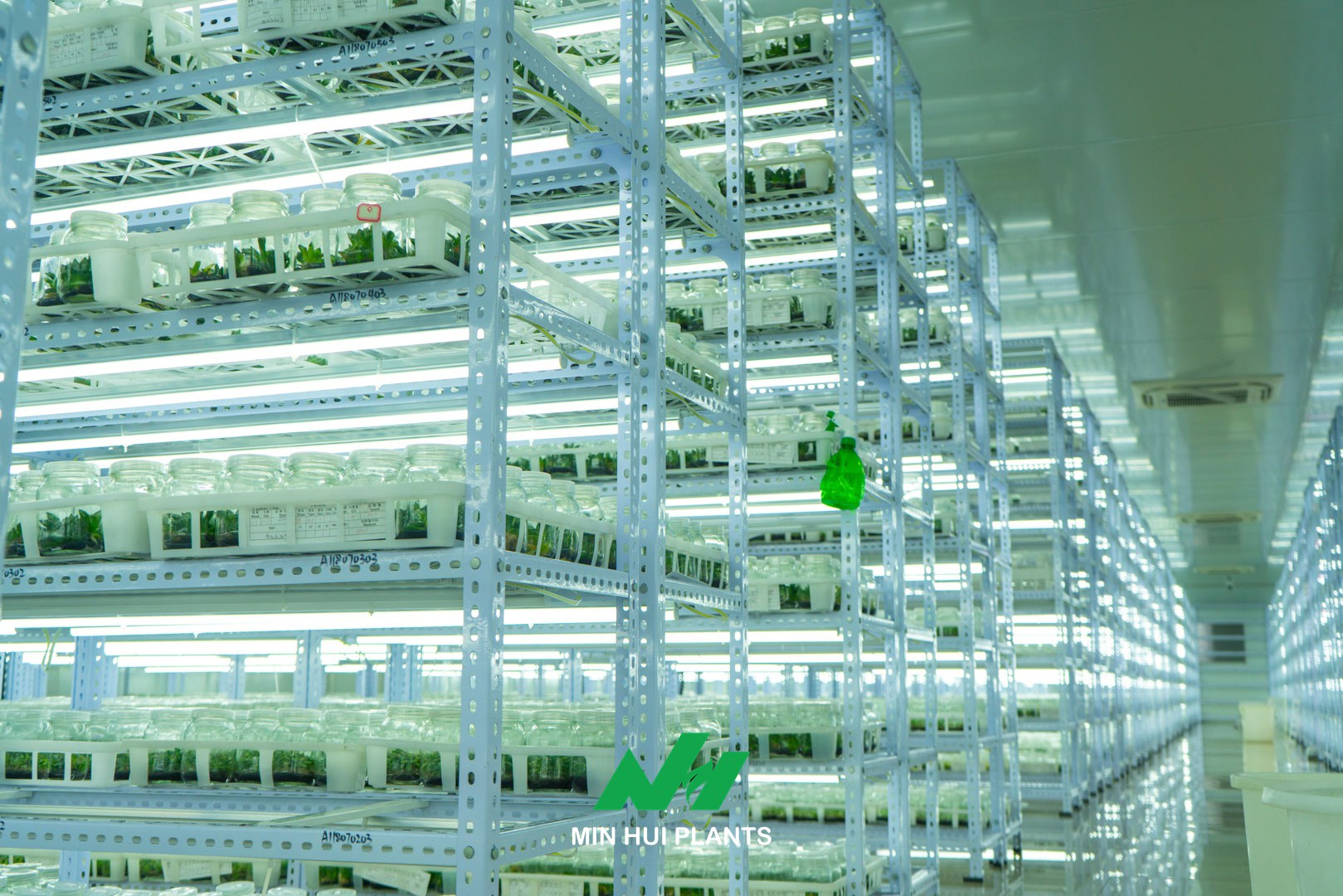
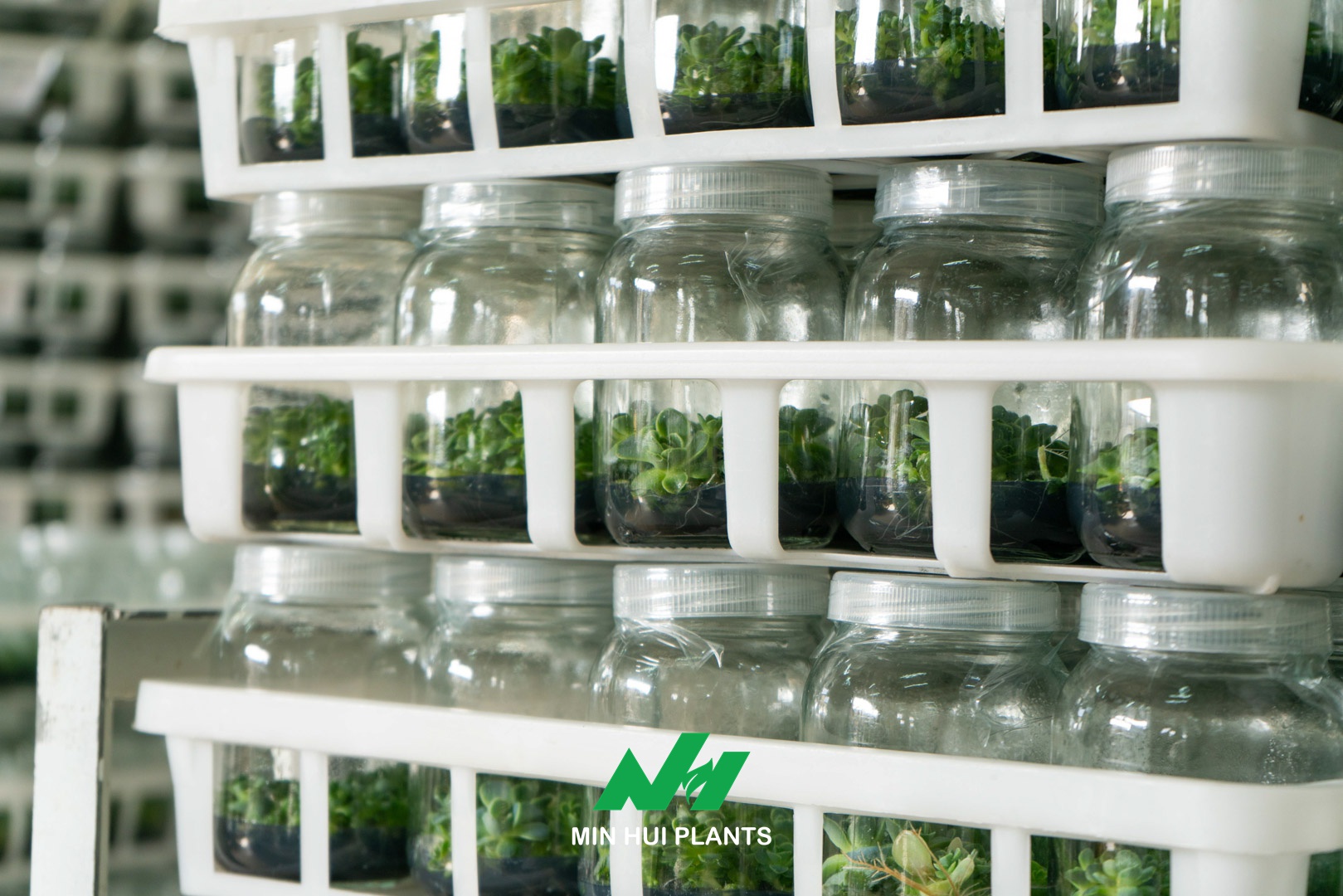
Transportation plays a major role in plant sourcing. Buyers should prioritize plants that can withstand shipping conditions. Compact plants, tissue-cultured seedlings, and hardy species often perform better in international logistics.
4. Choose the Right Plant Size
Plant size affects cost, packaging, and target market. Small plants are suitable for e-commerce and retail distribution, while larger plants are better for landscaping and commercial projects.
5. Evaluate Supply Stability
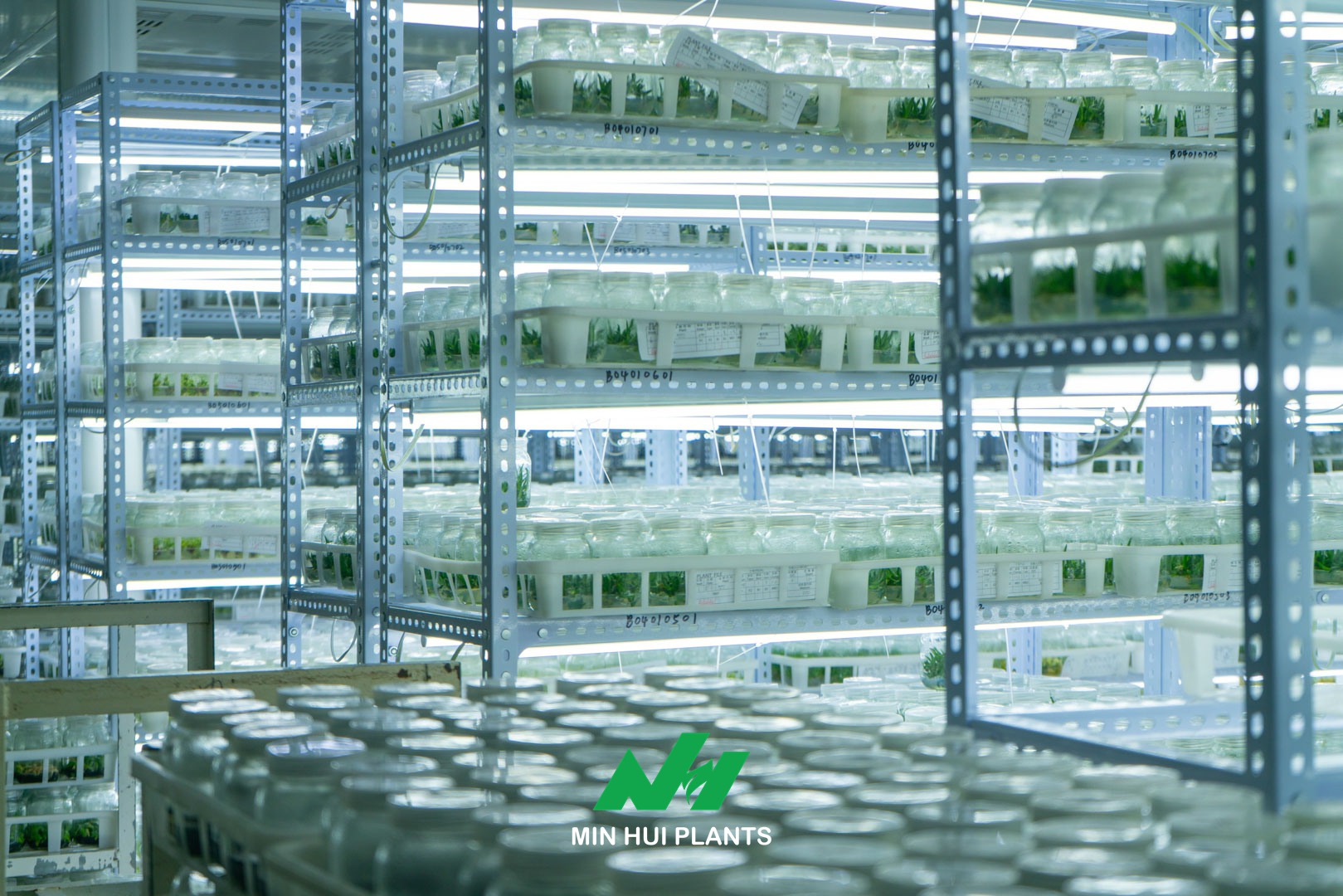
Reliable supply is essential for long-term business. Buyers should work with suppliers capable of consistent production, rather than relying on seasonal or limited availability.
6. Adapt to Market Trends Without Overdependence
Trends can drive short-term demand, but over-reliance on a single trending plant can increase risk. A balanced portfolio helps maintain stability even when market trends shift.
At MINHui, plant production is structured around these principles. By combining tissue culture propagation, greenhouse cultivation, and export logistics, the company supports buyers in building scalable and adaptable plant sourcing strategies.