
How to Choose a Reliable Plant Supplier: A Practical Guide for Global Buyers
Author: Min Hui Plants 〡 Mar 18, 2026 〡 1898
1898Selecting a plant supplier is no longer just about price. For global buyers, reliability, consistency, and long-term cooperation are far more important.
1. Production Capability
A reliable supplier should have stable production systems, including greenhouse facilities and propagation capacity. This ensures continuous supply rather than one-time availability.
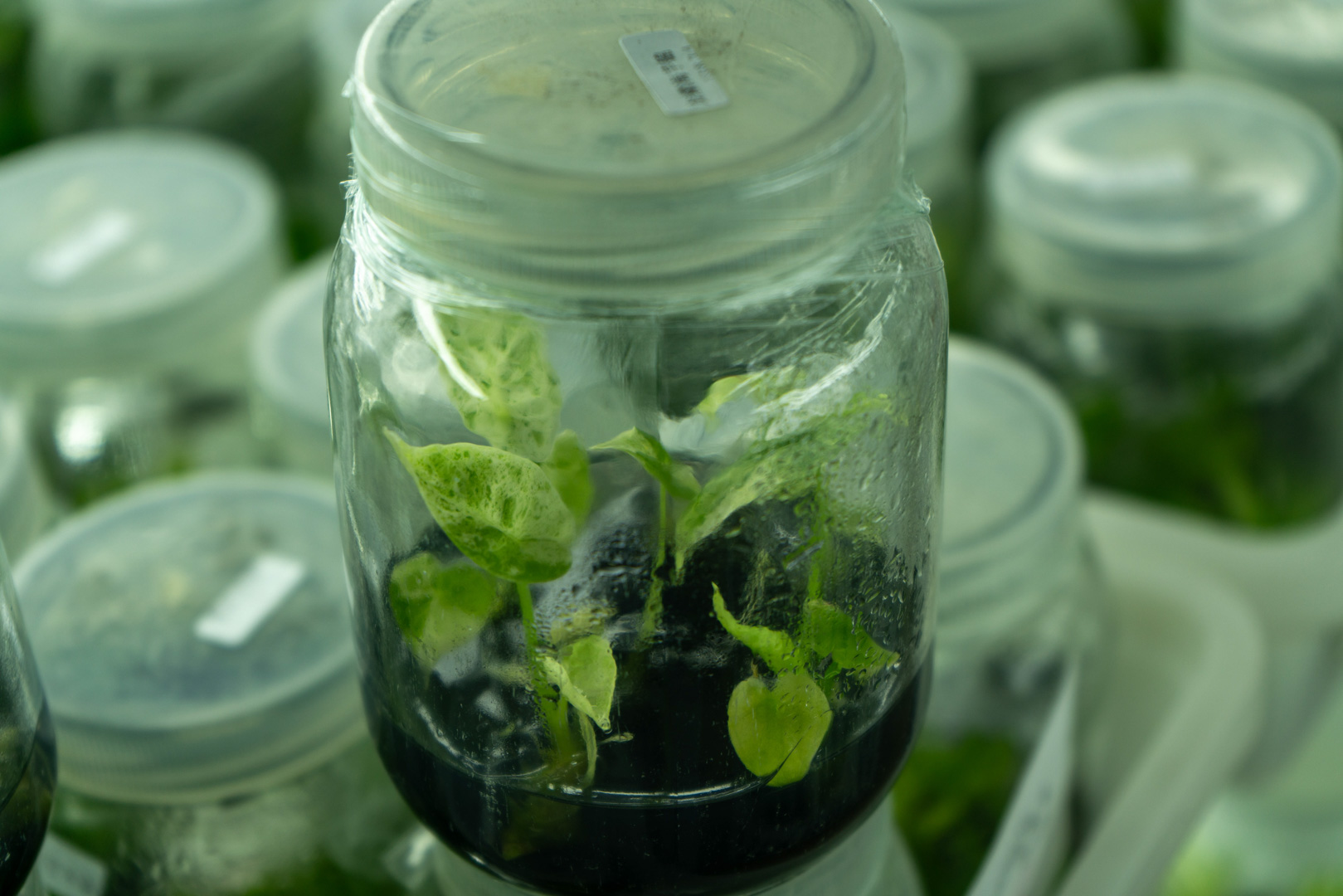
2. Plant Quality Consistency
Uniform size, healthy roots, and stable growth are essential for resale and distribution. Tissue culture propagation is often a key indicator of consistency.
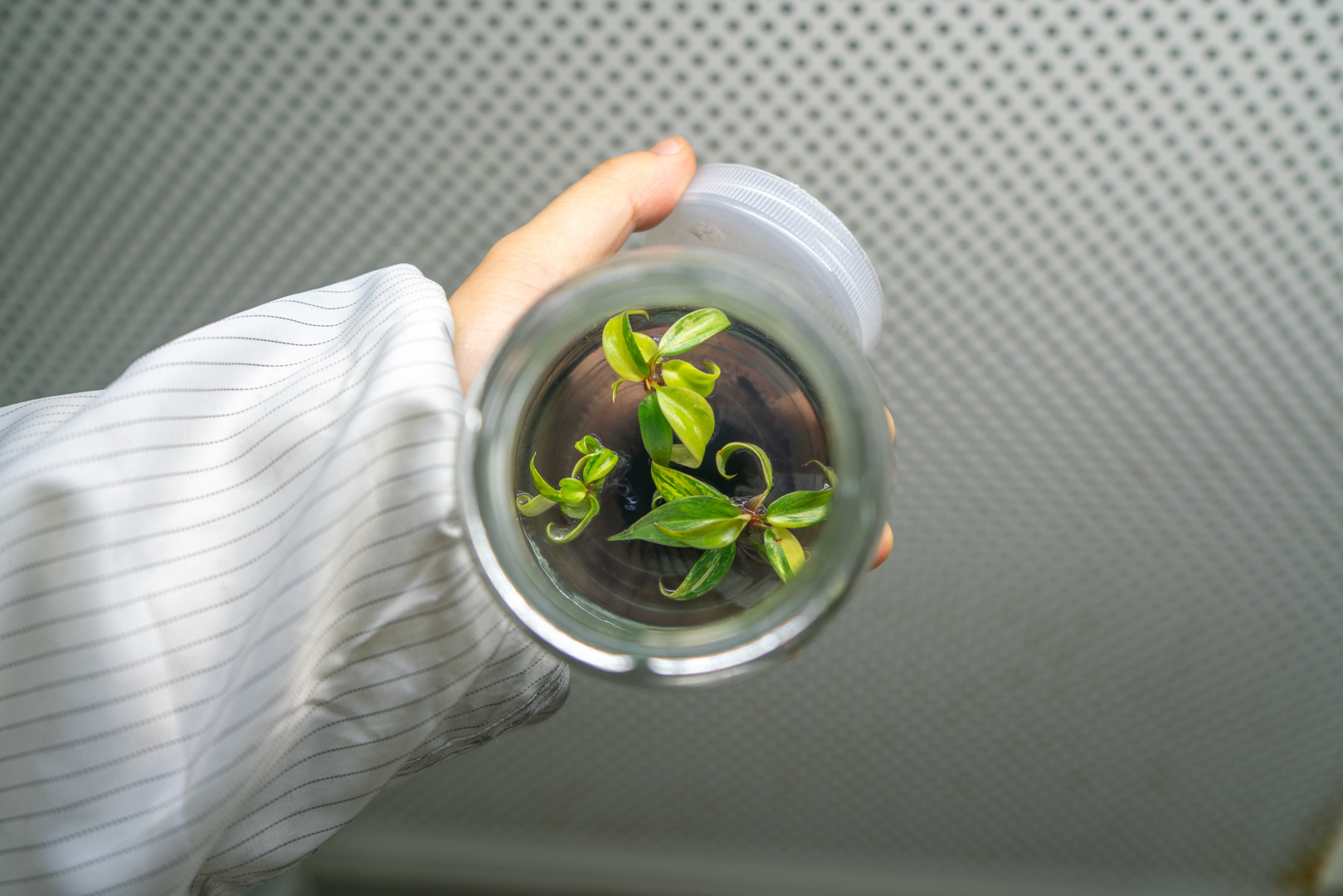
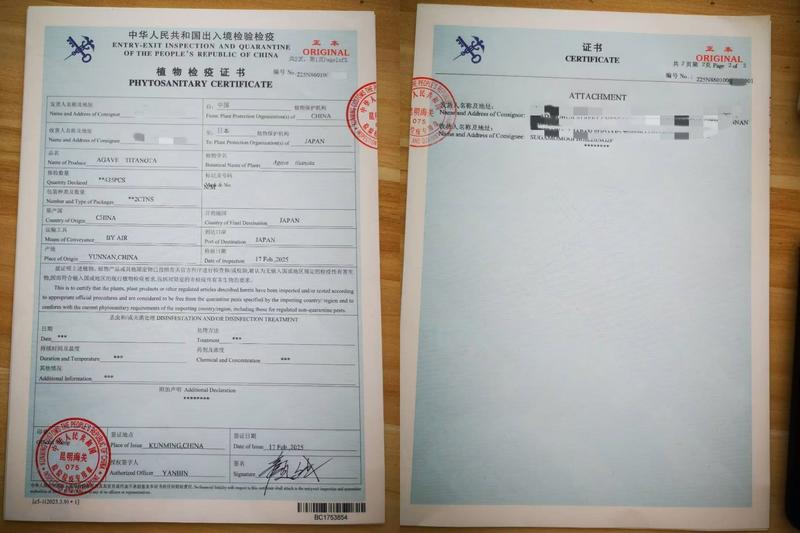
3. Export Experience
Suppliers must understand international shipping requirements, including phytosanitary certificates and packaging standards.
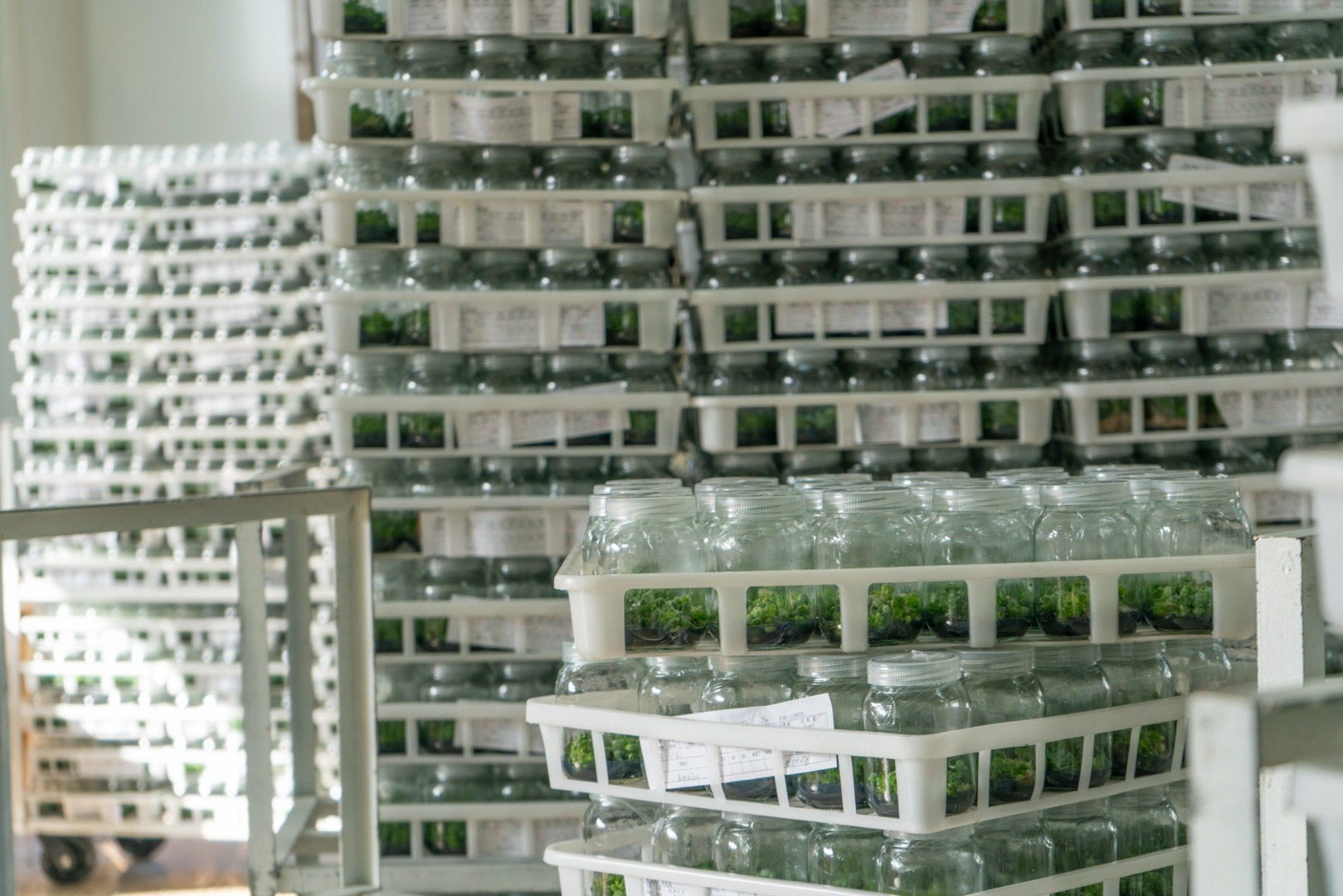
4. Packaging and Logistics
Proper packaging reduces damage during transport. Air shipping capability is especially important for live plants.
5. Communication Efficiency
Clear and responsive communication helps avoid misunderstandings and improves transaction efficiency.
6. Customization Ability
Different markets require different plant sizes and formats. A flexible supplier can adjust production according to demand.
Companies like MINHui integrate tissue culture, greenhouse production, and export logistics into one system, providing buyers with stable supply and scalable solutions. This type of structured supplier is increasingly preferred in the global market.